

Flexibility is key–at Disney World and in life
Managing plans, expectations, and reality in pursuit of a magical experience

I spent the last week and a half in Florida visiting my in-laws and enjoying a family vacation at Disney World. I decided to postpone the current series on hope for a week and write this instead.
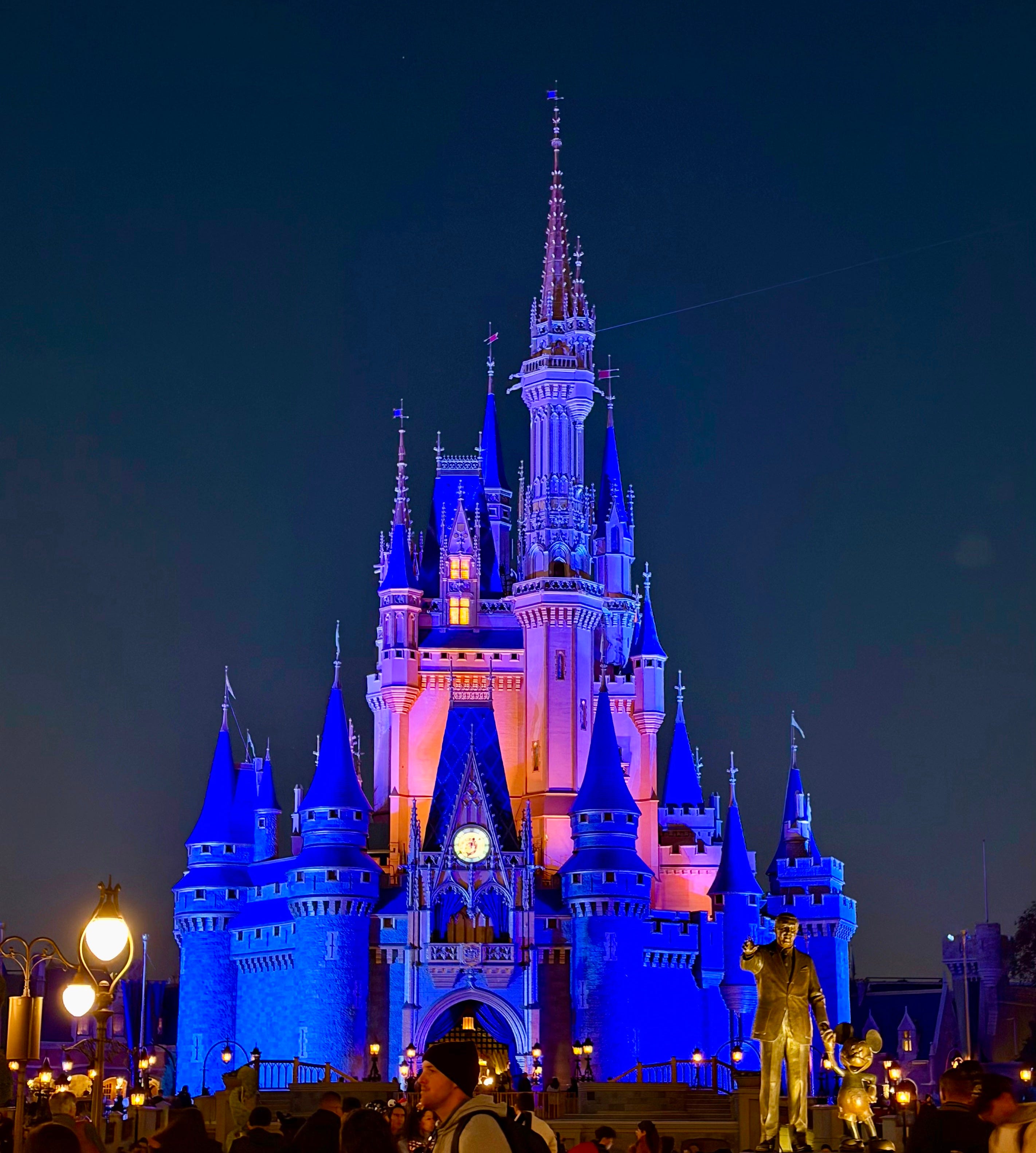
There are many ways to prepare for a Disney vacation. On one end, there’s the bare minimum–get tickets and go! On the other hand, we can research and plan everything to the T.
If we show up unprimed, we will waste time figuring it out as we go and miss out on experiences that could have been enjoyed with a little forethought:
Mmm, I’m hungry, that restaurant looks tasty. Oh, I should have downloaded the App and made reservations a week ago. Wait, there are two lines for each ride?! What is the Lightning Lane, and how do I get over there?
But if the itinerary is too tight, we can plow right past other fun opportunities as they arise:
Wave hi to Peter Pan from behind the barricade. We can’t meet him in person right now because we need to get a good seat to watch the parade. No time to linger around the live music, our next Lightning Lane opened, and we need to get there asap!
In Disney World, as in real life, we can get swept into either extreme: spontaneous action without thinking or deliberate action without space to adapt—more-or-less chaos versus rigidity.
I used to think the solution was about balance: just the right amount of planning to understand how things function for optimal preparation, but not so much that we’re overinvested.
But this doesn’t account for the wide range of personalities. Some people do better with more planning, some with less (and they tend to marry each other). It’s about balance insofar as we avoid either extreme, but for most of us, it’s not about equal parts of each.
I believe that flexibility is more important than balance. In the progression from planning and expectation to navigating reality, it is flexibility in our response that enables us to take the next best step.
“Expectations are planned disappointments,” is a common saying. But it doesn’t mean that having a plan is bad; it simply cautions against holding those plans too tightly.
Flexibility in thinking and action is the ability to positively reframe and re-evaluate the plan as it unfolds. It requires ongoing environmental, internal, and social awareness. And as a Christian, we must also include spiritual discernment.
At Disney World, we encountered an environmental obstacle when the rollercoaster I’d been hyping to my 5-year-old for the last month suddenly closed down. Internally, I noticed feelings of impatience arise when rides would stop to load someone needing extra assistance. And relationally, I realized that the other members in my party were more comfortable with a slower pace, including more snacks and bathroom breaks than I preferred.
I could have been derailed by these obstacles or feelings, seeing as they inhibited my amazing plan. Or, I could choose to modify my actions and attitude–hype a new ride to my son, celebrate the fact that Disney is accommodating and people with disabilities can enjoy the same rides as we do, and cheerfully slow down for the sake of my group.
Okay, I’m not perfect. I was a bit disappointed my son didn’t get to experience Space Mountain, and there were times when I still outpaced my group.
Navigating the complicated realities of our health and faith is similar to traversing a Disney park. We can get so fixated on carrying out a specific piece of the plan that it can become a stumbling block to the greater goal:
I must get my 10k steps per day to be healthy, but it’s stressing me out, and I tend to get home late and order takeout. Or, I need to complete this Bible-in-a-year reading plan with my church, but I’m not really able to digest what I’m reading or feel closer to God in the process.
What is the greater goal? We may differ in perspectives, but for me at Disney, in health, in faith, it’s: having a magical experience, stewarding my body, enjoying a relationship with God.
Flexibility is key–eyes on the goal, remain aware, reassess, and readjust. In Biblical terms, it’s holding our plans loosely. If a piece of the plan serves the greater goal, embrace it. If it doesn’t, in the language of Disney–Let it go.
Do you tend to have more of a spontaneous personality or prefer planning? Do you think this has any effect on being flexible or holding your plans loosely?
I like to have a plan, usually all mapped out in my calendar app, but I’m way over on the flexible side and easily move anything.
I definitely tend towards being a planner in many cases, but I have been improving at being able to go with the flow.